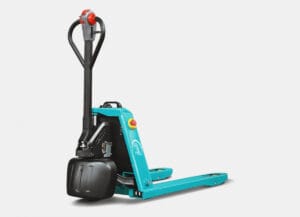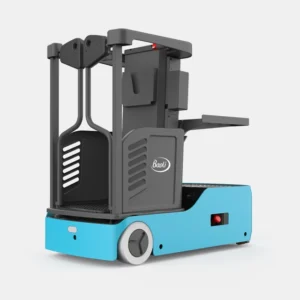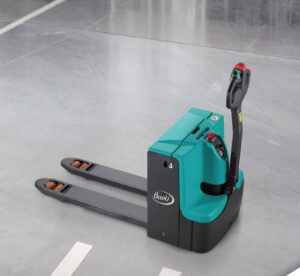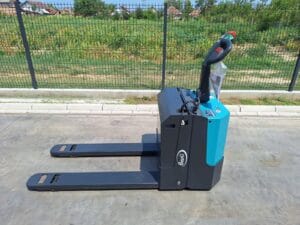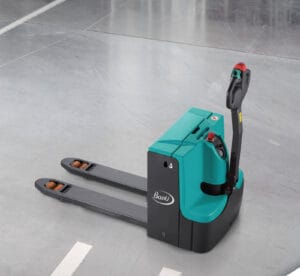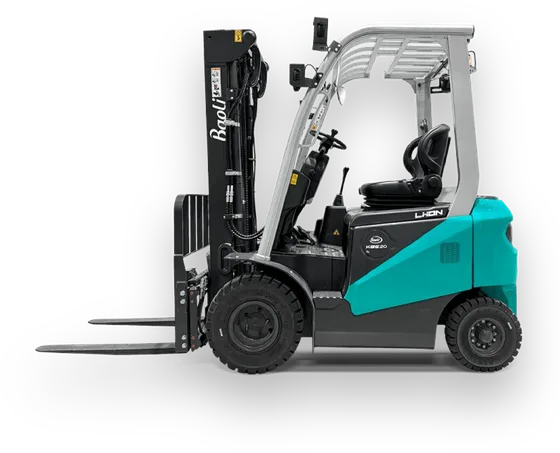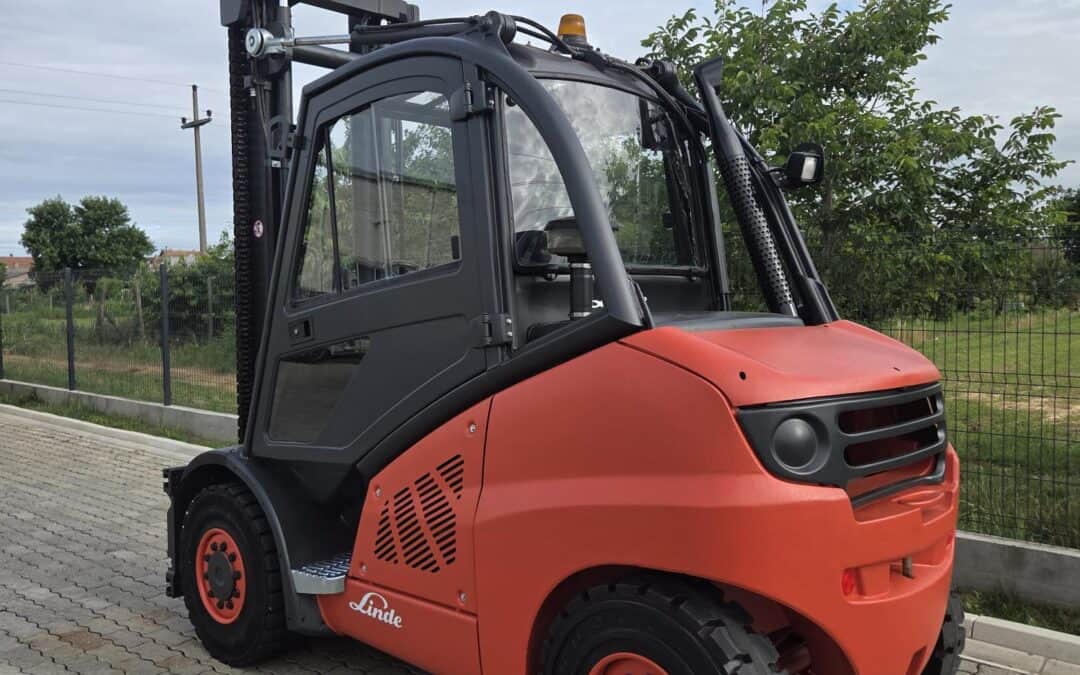
This is the question that comes up in our conversations more often than all the others combined: electricity, diesel or gas?
The answer is simpler than it seems, but it is not obtained by comparing the prices from the offer. It is obtained from three questions: where the machine works, how many hours a day i is there anywhere to charge. Once those three answers are known, there is usually only one sensible drive left.
We touched on this topic in every text about individual models. It’s time to solve it in one place.
Content:
- Rule in three questions
- Electric: first choice for closed space
- Diesel: plot, cargo and non-stop work
- LPG: a compromise that has its place
- Comparison table
- Energy cost per hour
- Three mistakes when choosing a drive
- How to decide
Rule in three questions
1. Where does the machine work? If the answer is “indoors, all day” — the choice is electric drive and there is practically no debate. If the answer is “outside, all weather, rough” — diesel is the choice. Everything in between begs the following two questions.
2. How many hours a day does he work? One shift with breaks means the machine has time to charge. Two shifts without a predictable break mean either a lithium battery, or a motor drive that takes a minute to recharge.
3. Is there a place to charge? A lead-acid battery requires a well-ventilated space and a suitable connection. If there is no such thing and there is nowhere to make it, the electric machine with a lead-acid battery falls apart regardless of everything else.
Those three answers solve ninety percent of cases. The rest is fine tuning.
Electric: first choice for closed space

The electric machine has no exhaust gases and makes significantly less noise. These are not “ecological” arguments, but work ones: in a hall where people work near machines, exhaust gases are a health issue, and noise is a communication issue.
Advantages: the lowest energy cost per hour, the fewest moving parts and the least regular maintenance (no oil, filter, exhaust system), longer machine life, quieter operation, the possibility of working in the food industry and refrigerators.
Restrictions: looking for charging infrastructure; with a lead battery and a full charge cycle, so in two shifts or another battery or lithium solution; the battery is a separate expense with its own lifetime; not for uneven and muddy terrain.
The battery is the key item here, not an addition. The lead-acid traction battery lasts about 1,500 cycles — roughly five years of regular operation — and its replacement can cost a third of the machine’s value. That item has been planned since day one. More details on the page batteries for forklifts, and the whole program on electric forklifts.
Diesel: plot, cargo and non-stop work

Diesel is still a powertrain that works where others fail.
Advantages: maximum torque at low revs, handles heavy and extended cycles best, works in rain, frost and rough terrain, refilling takes as long as fueling the truck — so no organizational cost of filling. For the largest payloads, it is often the only realistic choice.
Restrictions: exhaust fumes and noise exclude him from working indoors all day; the highest energy cost per hour; more regular maintenance items (oils, filters, exhaust system).
If the machine unloads trucks from the ground, works in a warehouse or carries more than three tons, the choice is usually here. The program is on the page diesel and LPG forklifts, and we described one typical machine of that class in the text about KBD/G 25-35.
LPG: a compromise that has its place

LPG (gas) drive is the least known in practice, and it solves one specific situation: a machine that works part of the day outside and part of the day in the hall.
Advantages: exhaust gases are much cleaner than diesel and the engine runs more quietly, so the machine can enter closed spaces with proper ventilation; changing the bottle takes a minute, which equates it to diesel in terms of availability; it has the power of a motor drive without charging organization.
Restrictions: looking for an organized supply of bottles and a place to store them; it is not a substitute for an electric machine in all-day indoor work; it is slightly weaker than diesel in the heaviest, extended cycles.
Practical: LPG is chosen by the company that has one machine and two operating modes, and does not want to buy two.
Comparison table
| Electric | Diesel | LPG | |
| Work indoors | yes, no limit | not for the whole day | with ventilation |
| Working outdoors and rough | limited | yes | yes |
| Energy cost per hour | the lowest | the highest | in between, closer to diesel |
| Replenishment / charging | hours (or intercharging for Li-ion) | a minute | a minute |
| Regular maintenance | least | the most | medium |
| Noise | low | high | medium |
| Necessary infrastructure | charging point | fuel | bottles and storage |
| Special expense | battery replacement | fuel and service | bottle supply |
Energy cost per hour
The difference in energy is the biggest single difference between drives, and the only one that is easily measured.
In the illustrative calculus from the text How much does a forklift really cost, for a machine of the 2.5 ton class, diesel came to mind 5 euros per hour energy, and electric on less than one euro. Through 1,500 working hours a year, that’s a difference of the order of six thousand euros — enough for the electric machine, although more expensive to purchase, to be cheaper already after ten months of operation.
For LPG, we do not give a fixed number because it depends too much on the bottle supply contract. As a rule, it is closer to diesel than to electricity, and you get the exact amount from your gas supplier: consumption per hour × price per kilogram.
Important: these are illustrative assumptions, not a price list. Get your energy prices and your hours — the bill takes fifteen minutes and is done once.
Three mistakes when choosing a drive
1. Choosing diesel “to have a spare”. A machine that works ninety percent of the time in the hall, and was bought as a diesel because of the ten percent outside, pays for that reserve every hour — in fuel, in service, and in the air that people breathe.
2. Choosing an electric machine without charging. The drive decision and the charging point decision are made simultaneously. If the loading space is “resolved later”, it usually isn’t.
3. Comparison by purchase price. As a rule, an electric machine is more expensive to purchase and cheaper per hour. A comparison that only looks at the first number systematically picks the wrong one.
How to decide
In short, in one place:
- The whole day indoors, one shift, there is a place to recharge → electric with lead battery
- All day indoors, two shifts or no break → electric with lithium battery
- Outdoors, heavy loads, rough terrain → diesel
- Half the day outside, half in the hall, one machine → LPG
- There is no place to charge and nowhere to make it → motor drive, diesel or LPG
If your case is borderline, send us three numbers: how many hours a day the machine works, how much of it is indoors i what is the heaviest pallet. From that we propose a drive — and explain why, not just what.
Send it request for quotation, fill in forklift truck selection questionnaire, call 021/6040-505 (Monday–Saturday, 7:00–15:00) or write to info@viljuskari-jovic.rs.
And if you’re still not sure what class of machine you need, start with the guide Pallet truck, stacker or forklift?