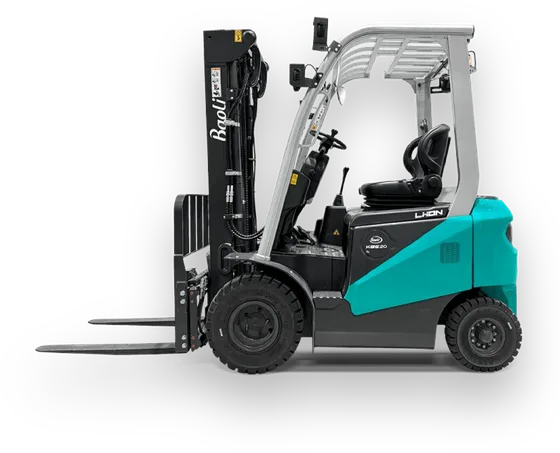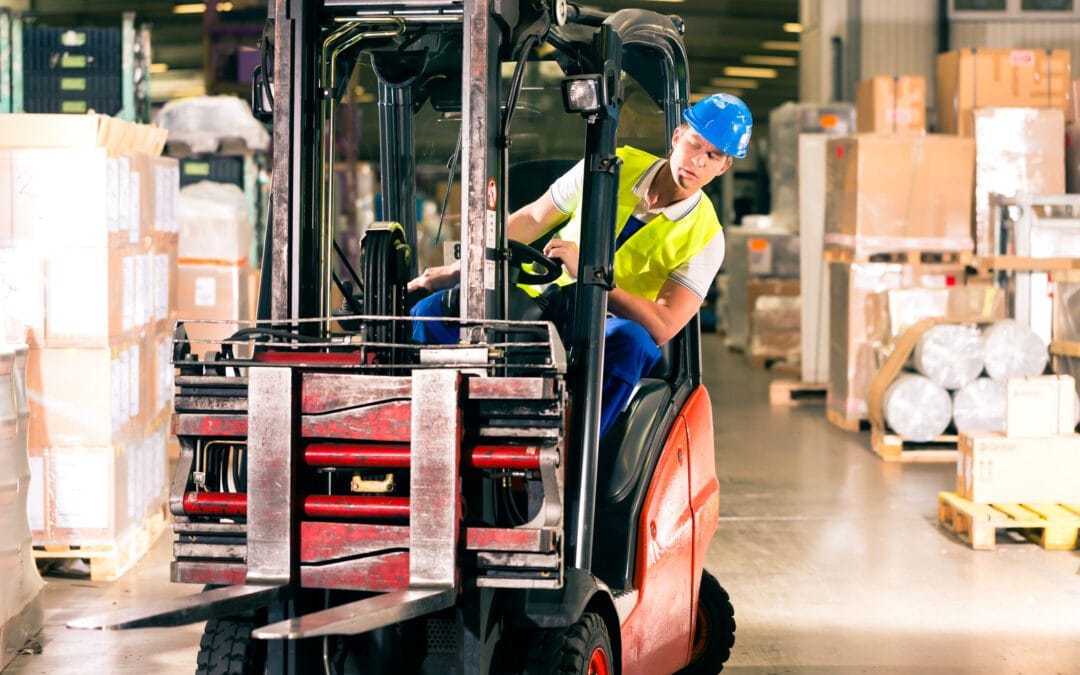
Forklifts are a key element in the smooth running of various businesses, they can be found in a variety of industries from construction to manufacturing and provide an efficient and safe way to move heavy loads. However, they can also be a source of danger if not properly maintained. This is why daily forklift safety checks are so important - they ensure that forklifts are in safe working order and prevent accidents due to machine breakdown.
The traffic that takes place in the centers for storing goods, in large warehouses and warehouses, is very complex and intensive, and forklifts for different purposes participate in it.
In order for the transfer and disposal of goods to be carried out smoothly and safely, it is necessary that the persons operating the forklifts are well trained and carry out daily safety checks.
Forklift safety is the most important responsibility of any warehouse or factory environment. It is the responsibility of employers to ensure that their employees work in a safe environment. One important measure that can be taken to improve workplace safety is to conduct daily safety checks on forklifts. Daily checks are essential to ensure forklifts are operating safely and efficiently, minimizing the risk of accidents and property damage.
Checks and detailed inspections
There are different types of forklift inspections that can be divided into how often these inspections take place or how these inspections are conducted.
First, checks can be visual or operational. During the visual inspection, the forklift is inspected from the outside and checked for visible defects or damage. This may include checking for tire damage or correct air pressure, obvious leaks or general damage to the chassis. Operational checks, on the other hand, involve testing the functionality of the forklift while it is in use to make sure the engine, safety features and mechanical parts are working properly.
Daily or pre-operational inspections of forklifts
Daily forklift inspections, also called pre-use checks or pre-operational checks, should be performed by the forklift operator at the start of the workday, at the start of a shift or before each use. This is where the term "check before use" comes from. These daily forklift checks are not optional, but a legal requirement to ensure the safety of the operator and other people nearby.
Forklift inspections performed by operators prior to use should not be compared to a thorough inspection performed every 6 to 12 months. Instead, they are quick checks used to identify small problems before they have a chance to turn into big problems, which can lead to downtime or workplace accidents. Since forklift operators are not specialized in troubleshooting, they cannot be expected to find and fix major defects and faults, so the daily check should be as simple as possible. The best course of action is to compose daily checklists forklift that all operators should follow, so that no important detail is missed.
What does a daily inspection include?
The operator should perform a visual check before starting the forklift. After completing the pre-start visual check, the operator should perform a pre-use operational check.
What should the operator inspect during the pre-use visual inspection?
How to start the daily inspection of the forklift? At the beginning of the shift, or immediately before use, a visual inspection must first be performed. Regardless of how the vehicle is used or how it operates, the inspection is still mandatory and includes the following checks:
- General condition and cleanliness of the forklift.
- There are no objects on the floor that could cause an incident.
- There are no obstacles overhead.
- Pay attention to nearby objects that should be avoided while using the forklift.
- Fire extinguisher - present and charged.
- Engine oil level, fuel level, coolant level in the cooler (LPG, gas and diesel forklifts).
- Battery – fully charged; no exposed wires; plug connections are not loose, worn or dirty; the ventilation covers are not blocked; the electrolyte level in the cells is adequate;
- Bolts, nuts, guards, chains or hydraulic hose reels are not damaged, missing or loose.
- Tires - it's important to check your tires before you get behind the wheel. Poorly inflated or punctured tires can affect brake performance and cause an accident.
Also, check if the forklift tires are too worn.
Make sure there is no damage such as cuts or dents.
Check the tire pressure and whether they are properly inflated.
- Forks – forks are not bent or placed at different heights; there are no cracks present, the teeth of the trolley are not broken or worn.
- Chain bars – not worn, loose or bent.
- Liquids - make sure the truck is on a level surface before checking the fluids. Check oil, hydraulics, water and coolant. Check for leaks under the forklift.
- Hoses - securely held; are not loose, bent or worn
- Seat belt and/or operator safety device (if equipped) – seat belts and restraint systems are working properly; no visible wear or damage; anchors, buckles, etc. function properly.
- Seat locks - in correct position
- Overhead guard or rollover protection structure if equipped - no damage.
- Other guards – all guards in place and in good condition.
What should the operator inspect during the pre-use operational check?
After the visual, an operational check is also necessary. The forklift should be checked daily for performance and safety issues. You as an employer should take steps to ensure that inspections are not skipped and that operators are sufficiently competent and trained to inspect the equipment. The operational review includes the following checks:
- Foot brake - the pedal holds, the forklift stops smoothly.
- Parking brake – holds gentle acceleration.
- Safety seat brake - holds when the operator gets out of the seat.
- Clutch and transmission - shift smoothly, without bouncing or jerking.
- Dashboard control panel - all lights and gauges are functional.
- Siren – works and is loud enough to be heard in the work environment.
- The back alarm and other warning devices are in operation.
- Lights – headlights and hazard lights are operational.
- Handling the forklift – moves smoothly.
- Lift mechanism - works smoothly (check by raising the forks to maximum height and then lowering the forks completely).
- Tilt mechanism - moves smoothly, holds the load (check by tilting the pole all the way forward and back).
- Cylinders and hoses - no leaks after the above checks.
- There are no unusual sounds
- The seat belt works reliably.
- For gas powered forklifts, check that the gas level is good and there is no damage to the cylinder.
- The load plate is installed and readable.
- An instruction manual and a diary are present.
- Check the structure of your forklift for dents, broken parts or cracks.
When the operator has completed all checks, it is important to ensure that his hands and shoes are completely dry and that he is seated in a comfortable position with all controls within easy reach.
If it is determined that the forklift is in need of repair, the operator must contact an authorized person immediately, and the forklift must not be used until it is in a safe working condition.
Understanding the importance of daily forklift inspections
OSHA or the Occupational Safety and Health Administration (Occupational Safety and Health Administration) requires that forklifts be inspected at least on a daily basis, before the start of the shift or after the end of the work shift. This inspection results in a safer work environment and prevents costly repairs.
A forklift can put the lives of workers and people around it at risk if it goes out of control due to worn brakes, old seat belts, improper steering, poor control layout, and faulty clutches or masts. That's why regular inspections are important to identify such problems, to make sure your forklift is safe to operate.
Pre-use forklift inspections, weekly inspections and thorough inspections may seem like a time-consuming and expensive effort at first, but they serve an important purpose that should make companies think twice before skipping their next forklift inspection. Although they cost time and money to implement, they actually contribute to saving your company time and money in the long run.
By conducting daily, weekly and annual checks, you can ensure that your equipment is in top condition. By solving small problems or normal wear and tear right away, your company saves money on larger, unexpected repairs. Pre-use forklift checks or more extensive weekly checks can uncover minor breakdowns that would cause unexpected downtime throughout the day and require more extensive repairs, potentially stopping your business from operating for an extended period of time. In this way, regular inspections increase the efficiency of your business and prevent loss of income due to machine downtime.
However, saving time and money is not the only benefit your company receives from forklift inspections. The safety of your staff and other people in the vicinity during forklift operation is another important factor. Just like cars, forklifts can cause accidents due in part to mechanical failure or faulty safety features. This can easily be prevented by regular checks on the forklift.
If it happens that you have detected a malfunction, which requires the help of authorized and professional persons, please do contact us. We will be happy to help you solve the problem and hire your forklift for important and responsible tasks as soon as possible.
Also, your forklifts need regular service, which must not be neglected, in order for the forklifts to give their best performance. We are there, for you, and when you need it regular service.
Forklift service — Jović Viljuškari
Regular service, periodic inspection and repairs. Make an appointment or call us.