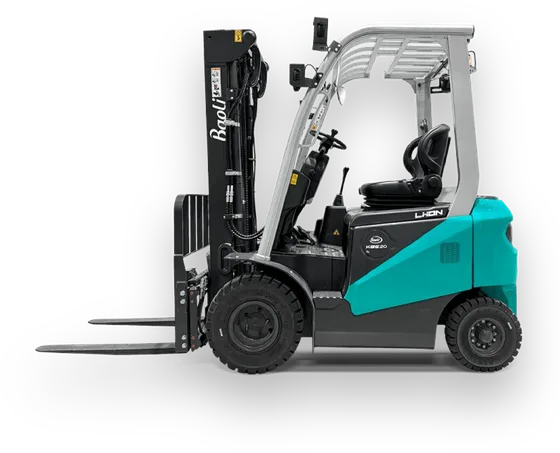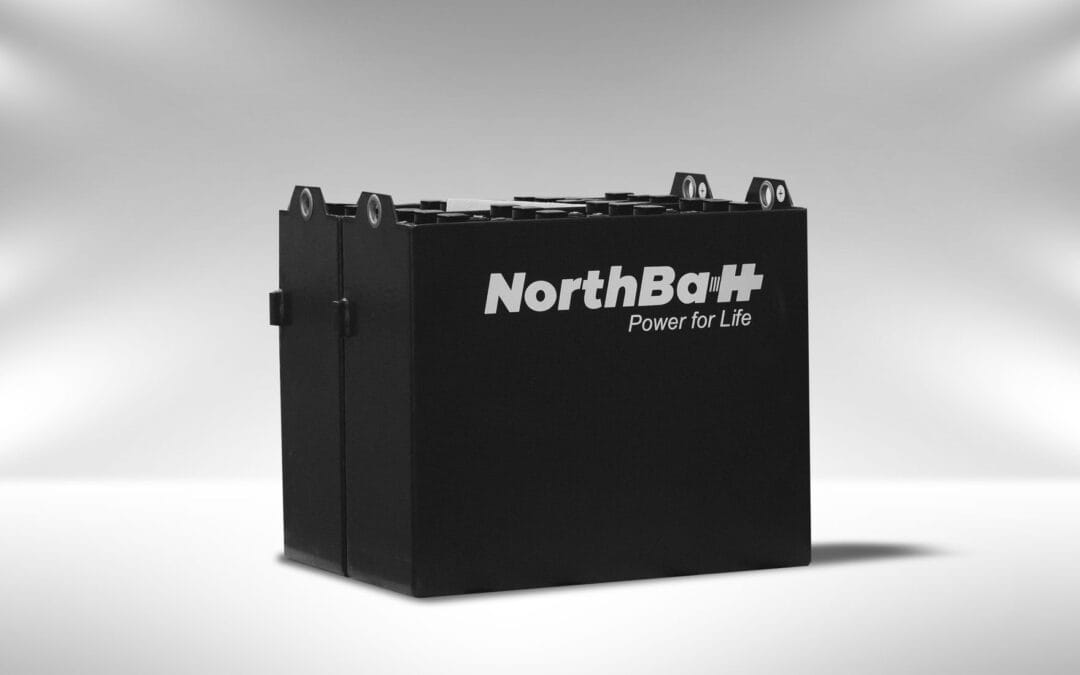
Traction batteries are part of a revolutionary technology in the transportation industry that has transformed the way vehicles operate. These advanced batteries offer numerous advantages, which increase their efficiency, save costs, but also preserve the nature around us. They are designed to provide a large amount of energy over a long period of time.
Some of their main characteristics are that they extend the working time of the vehicle, they charge quickly, but they also have a long service life and are resistant to strong vibrations. This is why they have become ideal batteries for industrial machines such as; forklifts, tractors, platforms for working at height, various service vehicles, from those at airports to those in warehouses and ports.
Traction batteries thus played a key role in initiating new habits in work and business, providing large and small companies with a clean and efficient source of energy for various vehicles. Unlike conventional internal combustion engines, these batteries use electricity for propulsion, reducing emissions and improving overall performance.
Traction batteries can be charged using standard electrical sockets. However, for faster charging and efficient operation, specialized charging infrastructure is easily installed in industrial environments.
Battery life depends on various factors, including usage, primarily charging and maintenance habits. On average, a well-maintained traction battery can last between 5 and 7 years.
How traction batteries were created
Today's powerful traction battery for forklifts it would not have happened if the first rechargeable batteries had not been invented at the beginning of the 19th century. The invention of the lead-acid battery in 1859 was a significant turning point in battery technology. It was the first practical rechargeable battery. The lead-acid battery became the basis for future advances.
In the middle of the 20th century, the use of batteries expanded to industrial applications. For example, lead-acid batteries have become the main power source for electric forklifts because of their reliability, affordability, and ability to provide enough power to lift heavy loads.
At the end of the last century, advances in technology led to the introduction of new types of batteries. Nickel-cadmium (NiCd) batteries have gained popularity due to their higher density and longer cycle life compared to lead-acid batteries. However, NiCd batteries had limitations in terms of environmental impact and a "memory effect" that reduced their overall capacity.
In the 1990s, nickel-metal hydride (NiMH) batteries appeared, which had a higher density, were more environmentally friendly and eliminated the "memory effect". They have found application in electric vehicles.
This century (21st) has brought revolutionary changes in battery technology with the rise of lithium-ion (Li-ion) batteries. They are even more energy efficient, but also lighter, and with a longer lifespan. In addition, the charging time became incomparably faster.
Battery technology continues to evolve due to the increasing demand for clean and efficient energy storage. Ongoing research focuses on improving energy density, charging speed and longevity while reducing costs. Advances in materials, such as solid-state electrolytes, are expected to further improve the performance and safety of traction batteries.
Today, these batteries have become an integral part of the transport industry, they are found in a large number of forklifts, stackers and electric pallets. The journey from lead-acid batteries to advanced lithium-ion batteries brings us closer to a clean and green future.
Cell structure of the traction battery
These batteries usually consist of multiple cells connected in series or parallel, depending on the voltage and capacity requirements. Serial connection increases the voltage, while in parallel capacity of the battery itself.
Each cell has a voltage of 2 volts. When these cells are connected in series, their voltages add up, resulting in more energy for the overall battery. For example, a 24 volt battery consists of 12 cells, where the voltage of each cell is 2 volts. Similarly, a 48-volt battery has 24 cells, while an 80-volt battery has 40 cells.
An external voltage source is used to charge the battery. It provides a higher voltage than the current voltage of the cells. The purpose of the external voltage source is to increase the voltage of each cell above 2 volts. When the cell voltage rises above 2 volts, the charging process begins. The increased voltage encourages current to flow into the cells, which helps fuel the chemical reactions inside the battery. This allows the battery to store and retain electricity for later use.
During charging, it is important to ensure that each cell in the battery receives an equal amount of energy. This is known as cell balancing. Battery management systems (BMS) are used to monitor and control the charging process, ensuring that the voltage and charge levels of each cell are properly balanced.
Different traction battery technologies
Traction batteries already exist in different technologies, each of them has its own advantages, but also what needs to be paid attention to, in order for the batteries to be well maintained and to extend their service life.
PzS and PzB - lead-acid batteries known for their robust construction and long service life. They have tubular plates. They are made to withstand frequent discharge cycles. They are known for their high energy efficiency.
Low maintenance - traction batteries usually refer to lead batteries with ventilation. They consist of lead plates immersed in a liquid electrolyte, usually in a dilute solution of sulfuric acid. They require less maintenance compared to standard vented batteries.
GEL - traction batteries do not require maintenance, are regulated by a valve and have tubular plates. They eliminate the need for regular electrolyte level checks and water refills. The immobilized electrolyte gel is a key feature of these batteries. The gel helps prevent leakage. It also improves the battery's vibration resistance as well as its overall performance.
CSM (Cycling Stable Mat) - batteries also known as absorbed glass mat (ASM) taction batteries, are a kind of advanced version of lead batteries. They do not require maintenance and are known for their great strength. They have a higher concentration of active material which allows them to have faster chemical reactions and better power delivery. Also, they are characterized by a low level of self-discharge, which means that they retain energy for long periods when not in use.
SQUARE - batteries have a specific type of technology, designed to increase energy delivery, but also to extend the operating time compared to conventional batteries. They are made to withstand working in difficult conditions. Made of robust and solid materials, they are reliable in every situation. These batteries can withstand high levels of vibration and shock.
Pure Lead Carbon - are pure lead-carbon batteries. This is an advanced lead-acid battery technology that combines the advantages of lead-acid batteries with the improved performance of carbon additives. These batteries can handle a large number of charges without significantly losing capacity. They are characterized by a longer working life and fast charging.
Lithium-Ion - popular batteries that have a high energy density, meaning they can store a significant amount of energy in a compact and lightweight package. This makes them ideal in places where space and weight are important, such as vehicles, from cars to electric forklifts. They have a longer lifespan compared to traditional lead-acid batteries. Lithium-ion traction batteries are also the best when it comes to fast charging.
How traction batteries work
The two main components inside a battery cell are positive and negative plates. The positive plate, also known as the cathode, is one of the electrodes inside a battery cell. It is usually made of a metal oxide compound, such as lead dioxide (PbO2) in lead-acid batteries or lithium cobalt oxide (LiCoO2) in lithium-ion batteries. The positive plate serves as the site of reduction reactions during the discharge phase of the battery.
The negative plate, also known as the anode, is the second electrode inside the battery cell. It is usually made of a material capable of intercalating or storing ions, such as sponge lead (Pb) in lead-acid batteries or graphite in lithium-ion batteries. The negative plate serves as the site of oxidation reactions during the discharge phase of the battery. There is always one negative plate more than the number of positives.
It is placed between the positive and negative plates separator which prevents direct contact and short circuit between the electrodes. The separator is usually made of a porous material that allows the movement of ions while preventing mixing of positive and negative materials.
Electrolyte is a conductive medium that allows ions to move between the positive and negative plates. It is usually a liquid or gel-like substance containing dissolved salts or other ion-conducting materials. The electrolyte facilitates the movement of ions during the charging and discharging process, allowing energy to flow.
When the battery is in use, electrochemical reactions take place inside the cell. During the discharge phase, electrons flow from the negative plate to the positive plate through the external circuit, generating electricity. At the same time, ions move through the electrolyte, balancing the charge between the plates. This process releases stored chemical energy as electricity.
During the charging phase, the electrochemical reactions are reversed. External electrical energy is applied to the cell, causing ions to move and restore chemical energy within the plates.
The positive and negative plates play a key role in the electrochemical reactions that occur in a battery cell. Through these reactions, the battery can store and release electrical energy as needed, powering a variety of vehicles and equipment.
The advantages of rechargeable batteries for work machines and forklifts
Traction batteries provide a consistent and reliable power source, ensuring optimal performance and increased efficiency for forklift trucks. These batteries have a high power output, allowing for more efficient acceleration and easier operation. In addition, electric forklifts can be used indoors, without worrying about harmful emissions or noise pollution.
Unlike fossil fuel powered forklifts, traction battery powered electric forklifts produce zero emissions during operation. Although the initial investment may be higher than with diesel or gasoline vehicles, in the long run, battery powered machines save overall costs. Electric forklifts and even used ones, generally have lower operating costs due to reduced energy consumption and lower maintenance requirements.
Factors to consider when choosing forklift batteries to ensure optimal performance and longevity:
Energy capacity battery life determines how long the forklift can operate before needing to be recharged. It is critical to choose a battery with sufficient energy capacity to meet the operational requirements of the vehicle.
Charging time should be taken into account. How long it takes for the battery to reach full capacity. Shorter charging times can help maximize productivity, especially in demanding industrial environments where forklifts are in constant use.
Life span of batteries is an important factor because it affects the total cost of doing business. It is recommended to always choose a battery with a longer working life, even though the difference in price is on the side of the shorter-lasting one. However, when everything is added up, the cheaper battery comes out that lasts longer, similar to the sa tires for forklifts.
Security batteries. Always check if the battery has built-in safety features such as overcharge protection, temperature monitoring and short circuit prevention. Safety should be a top priority to protect both workers and equipment.
Maintenance of traction batteries
Proper maintenance and care are key to maximizing performance and extending battery life. A few basic tips:
Proper charging and discharging
Follow the manufacturer's instructions for proper charging and discharging of the battery. Overcharging or deep discharging can negatively affect battery performance and longevity.
Regular inspections and cleaning
Check the battery regularly for signs of damage or corrosion. Clean battery terminals and connections to ensure proper conductivity. Regular checks and maintenance can help spot problems before they do more damage. in general regular service forklift is the best possible habit.
Replacement and disposal
When the battery reaches the end of its life, it should be replaced properly. Old batteries should be disposed of in accordance with recycling regulations and guidelines, in order to reduce adverse effects on the environment. These batteries can be recycled.
The future of the traction battery in the transport industry
Traction batteries have changed the transportation industry, especially vehicles such as forklifts. The future of batteries in the transportation industry today is more than promising. Constant advances in battery technology aim to further improve energy density, charging speed and overall efficiency. In addition, the integration of renewable energy sources, such as solar and wind, into the charging infrastructure will make electric forklifts and other machines even more sustainable and cost-effective.
It was the success of traction batteries in forklifts that paved the way for the electrification of other types of vehicles, including cars, trucks and even airplanes.
As battery technology continues to evolve, we can only expect to see more efficient and powerful batteries that can meet the demands of the widest range of vehicles.
Batteries for forklifts on offer
Look at the models we offer and choose the performance for your business.