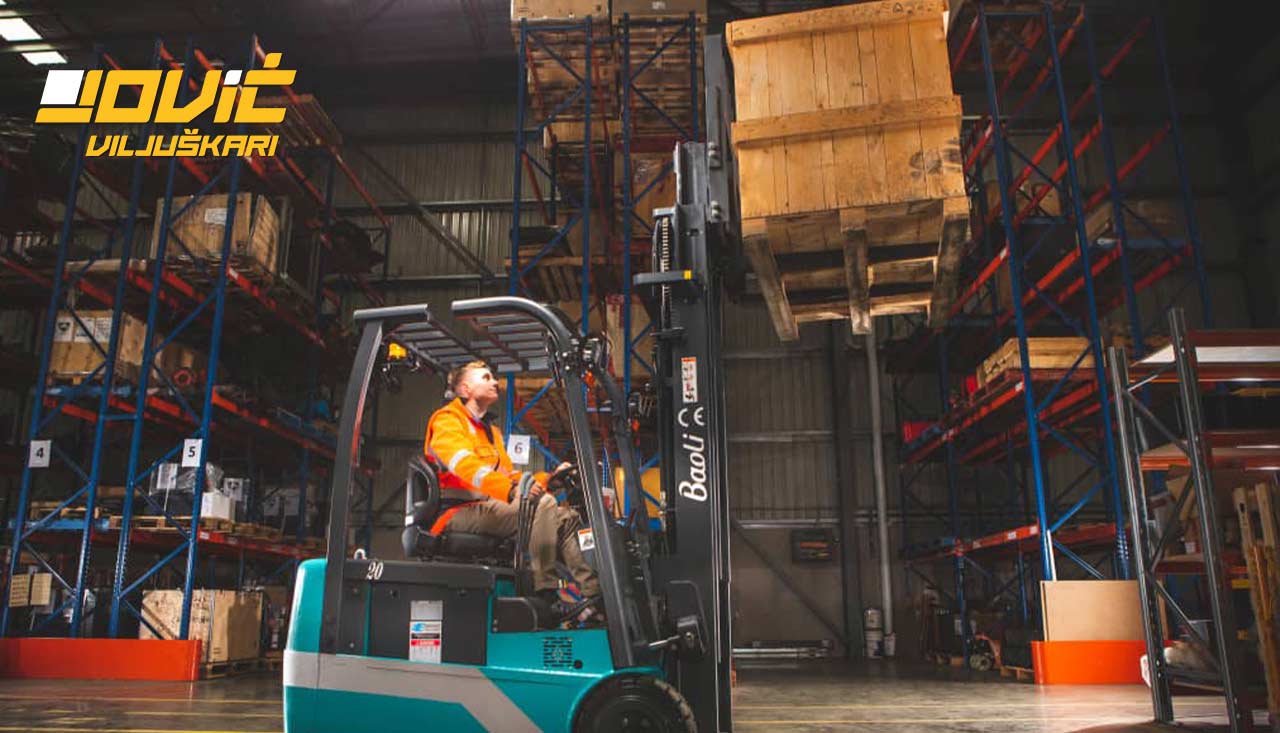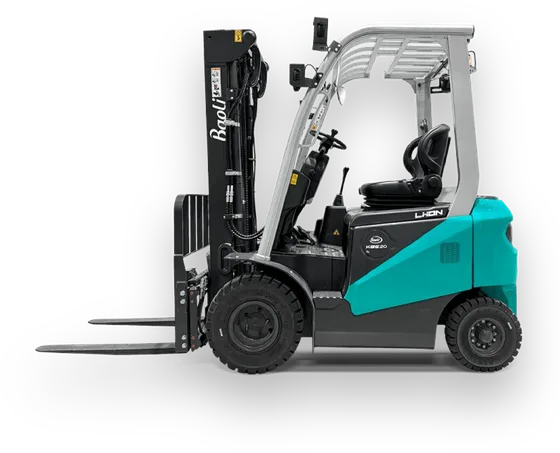
In modern industrial and logistics environments, forklifts are everyday partners in handling heavy loads. They speed up processes, increase productivity and enable more efficient use of space. However, operating forklifts also brings with it significant safety challenges. The safety of working with forklifts is not just a formality - it is the basis for protecting the lives, health of employees and the integrity of material assets.
Why is forklift safety so important?
Day-to-day forklift operation involves moving large loads, working in dynamic and often confined spaces, and interacting with other workers. Inadequate security can lead to:
- serious physical injuries
- damage to goods and equipment
- production interruptions and logistical delays
- increased insurance costs and damage compensation.
That's why forklift safety is more than a recommendation - it is a priority in any risk management system.
The most common risks in working with forklifts
Understanding the risks is the first step towards reducing them:
- Forklift overturning
Overturning can occur if the load is improperly positioned, if the forks are overloaded, or if the forklift is turned suddenly at high speed.
- Collisions
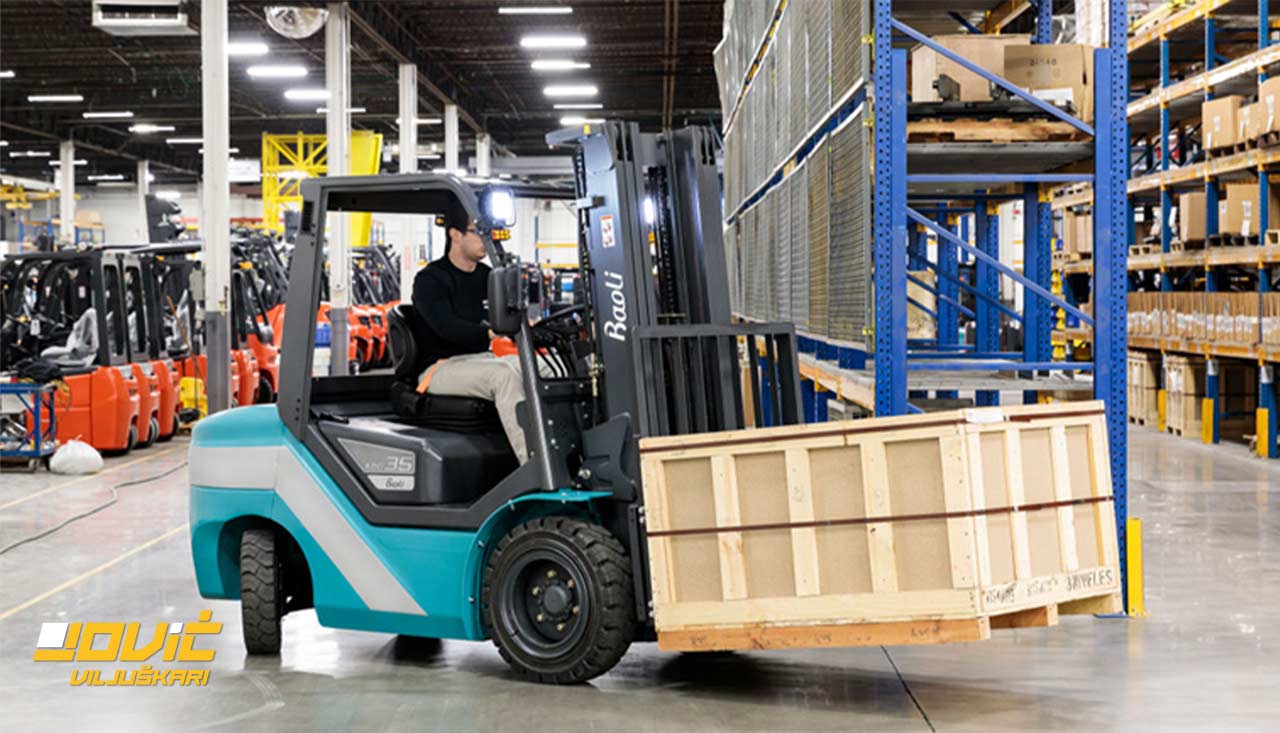
Collisions with other forklifts, equipment or pedestrians often occur due to poor visibility, speed or operator inattention.
- Load drop
Inadequately stabilized or unevenly distributed cargo can fall during transport, which poses a serious danger to the environment.
- Injuries due to ergonomic factors
An insufficiently ergonomic cab or poorly adjusted control systems increase the risk of spine, neck and limb injuries for the operator.
Key measures to improve safety
Operator training and certification
Quality and periodic operator training is the foundation of safety. Operators should know:
- equipment capacities and limitations
- meaning of signaling and safety markings
- procedures for normal and extraordinary work
Regular training increases worker confidence and reduces the number of mistakes in practice.
Clear movement zones and signaling
The organization of space in warehouses and halls must include:
- clearly marked pedestrian and driving zones
- physical barriers in high-risk areas
- signaling speed and direction of movement
In this way, the probability of a collision is significantly reduced.
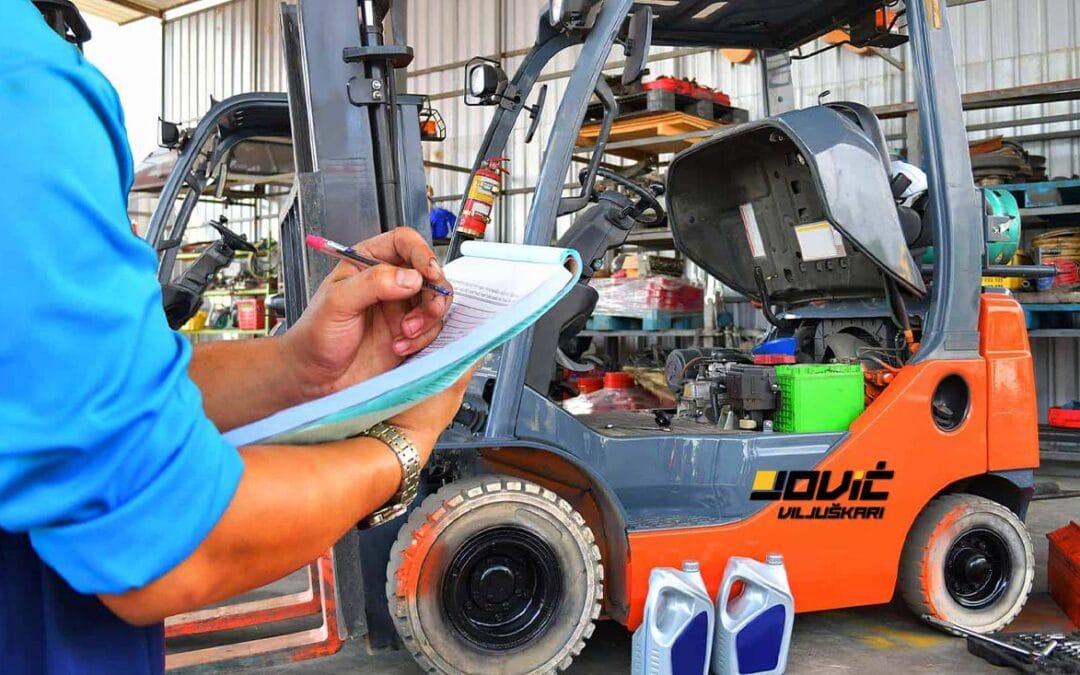
Regular technical inspection and maintenance
A technically sound forklift is a safe forklift. Regular inspections (before work shifts and periodic services) include:
- the correctness of the brakes
- condition of tires and forks
- lighting and signaling system control
Preventive maintenance reduces the possibility of breakdowns that often lead to accidents.
Safety equipment and technology
Modern forklifts can be equipped with safety-enhancing systems, such as:
- sensors for obstacle detection
- light and sound warnings
- automatic speed reduction near pedestrians
- cameras and additional visibility systems
These technologies significantly contribute to risk reduction, especially in constantly dynamic environments.