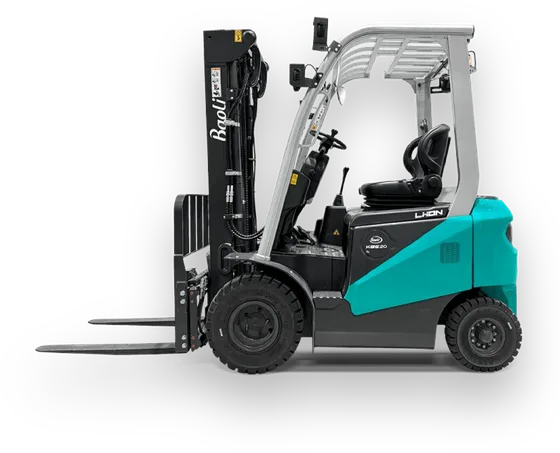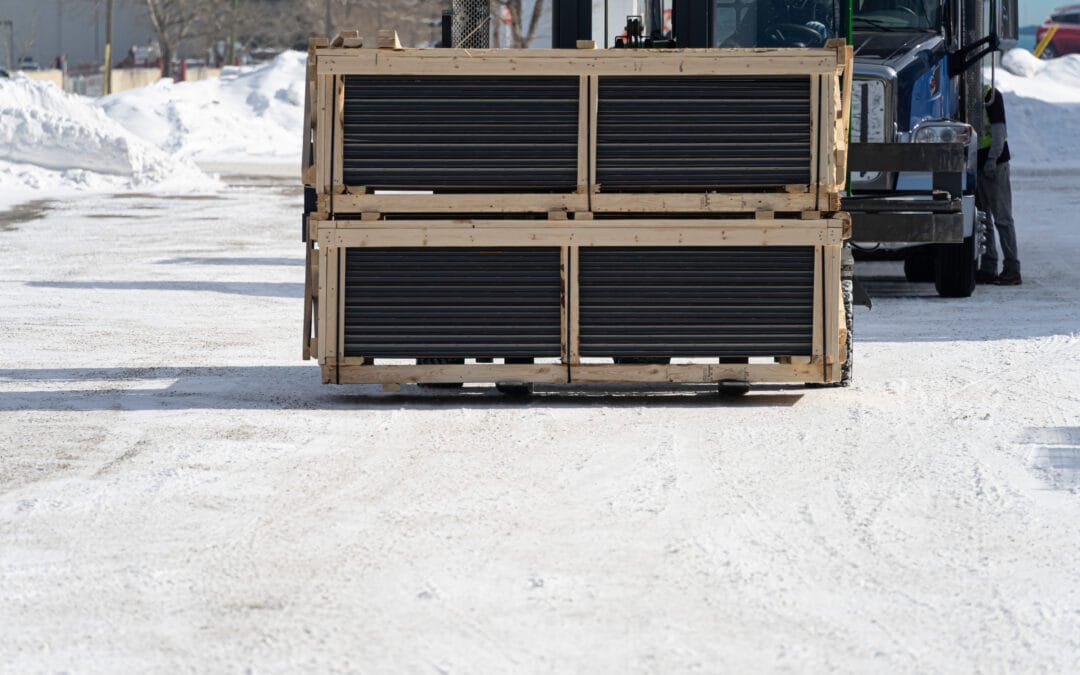
Driving a forklift in winter requires a bit more attention and care than in other seasons. This is due to the fact that cold and snow can negatively affect the performance and working ability of the forklift. However, with proper preparation and proper maintenance and servicing, forklifts can still work efficiently even in the coldest months.
Regular maintenance and servicing
The first and most important thing is that the forklift is regularly maintained and serviced. This includes replacing oil, filters and other parts that have worn out or are potentially damaged due to increased winter loads.
It is also important to protect the forklift from frost. This can be achieved by protecting the fuel tank and other parts of the forklift that are exposed to the cold. It is also necessary to ensure that all valves and pipes are in good condition and do not leak due to frost.
Preparation of the working environment
Winter weather can create a dangerous environment for forklifts to operate. Not only does cold air reduce visibility and tire pressure, but snow and ice can make surfaces dangerously slippery. To ensure safe forklift operation during the winter months, operators must be extra careful and take the necessary precautions to prevent accidents.
Gravel, sand and salt can be used to make driving surfaces less slippery. Surface spreading means spreading a mixture of salt and sand on surfaces such as roads, parking lots, paths and other areas where vehicles regularly drive or pass. This helps prevent ice from forming on hard surfaces, reducing the risk of slips or falls by operators driving forklifts over these surfaces.
Optimization of forklifts
It is essential for businesses to ensure that their forklift operators work in a safe and comfortable environment. The first step towards this goal is to upgrade the cab of any forklift without enclosed cabs to protect operators from cold weather. This will provide insulation from wind chill and minimize exposure to extreme temperatures while working with machinery. In addition, the enclosed cab will reduce noise levels in the work area and allow operators to hear better. Operators should also wear appropriate winter clothing such as insulated gloves, hats and jackets while on duty.
All components such as brakes and tires should be checked for proper functionality to prevent accidents or injuries associated with mechanical failure. Employers should also ensure that all vehicles are equipped with emergency management systems such as fire extinguishers and other safety measures such as reflective tape on all machinery. In addition, employers should ensure that their workers are properly trained to operate a forklift in cold weather conditions before starting work.
Tires for forklifts
An excellent way to ensure that safety standards are met is to equip all forklifts that will operate outdoors with pneumatic tires, as opposed to cushion tires. Pneumatic tires provide increased traction and grip on slippery surfaces thanks to their air-filled design, making them an ideal choice for winter conditions.
One of the most effective ways to ensure your forklift can maneuver through snow and slippery surfaces is to invest in studded tires or tire chains. These attachments are designed to provide additional traction on icy and snowy surfaces, giving drivers peace of mind when transporting goods from one place to another.
Forklifts equipped with studded tires or chains provide better grip on slippery surfaces, allowing for more controlled movement and increased safety for operators. Tire studs are small metal pins that attach directly to tires, thus digging into icy terrain and providing much-needed traction during winter conditions. Chains are also available for heavier loads, giving extra stability for heavier weights, as well as greater skid protection.
Of course, let's not forget about the amazing Trelleborg tires which have a Pit Stop line. Trelleborg tires with Pit Stop line provide superior traction, grip and stability for forklifts operating in winter conditions. They are designed with a special tread pattern that provides maximum grip even on wet or icy surfaces, making them ideal for use in cold weather conditions. The unique design also helps reduce rolling resistance, resulting in improved fuel efficiency and increased maneuverability when navigating tight spaces. In addition, the solid rubber construction ensures longer life and durability compared to other traditional pneumatic tires.
Fluid replacement
As winter weather approaches, forklift operators need to be aware of the impact it has on their machine's performance. Fluids used to power and lubricate the machine are particularly sensitive to extreme temperature changes, especially when transitioning from the warmer summer months to the colder winter months. In these cases, the way winter weather affects the forklift's fluids can not only compromise performance, but also cause massive damage over time if steps are not taken to properly maintain the machine.
Fluids such as brake fluid and transmission fluid can become more viscous at low temperatures, resulting in reduced power output during operation. This can also cause parts such as brake lines and other hoses that rely on softer materials for flexibility to become brittle - leading to cracking.
Proper dressing
As the weather gets colder, forklift operators need to "dress" accordingly to stay safe while on the job. Forklift operators must have appropriate clothing suitable for low temperatures. For example, warm outerwear, such as insulated jackets and pants, is essential to keep out the cold while operating a forklift outdoors. In addition, protective hats and gloves should be worn as they provide additional protection against frostbite or other cold weather-related illnesses. Safety glasses are also a must as they help protect any debris or dust particles, including snow, from entering the operator's eyes or mouth while working.
To ensure safe forklift operation in winter weather, operators should wear layers of clothing that provide adequate protection from the elements. These layers should include, but not be limited to, jackets, hats, gloves and long underwear.
In addition to dressing to stay warm and healthy while operating a forklift in winter conditions, it is important to dress and remain visible. Wearing fluorescent vests or other bright clothing will help workers see the operator as well as pedestrians around them during snowfall or other low visibility conditions. The same applies to all colleagues who perform their work in the immediate vicinity of forklifts, because it is of great importance when the driver behind the wheel spots a passerby in time.
Readiness
Forklift operators should always keep their eyes focused in front of them. Even in winter, when conditions such as snow and ice can be distracting, it is important for forklift operators to exercise caution when operating the forklift. The area around the operator must be constantly monitored for potential hazards or obstacles that could lead to an accident.
Continuous scanning of the work area is essential to ensure the safe operation of the forklift. Operators should be aware of slippery surfaces, debris on the ground that could cause slipping, and any unexpected movement of pedestrians or other vehicles near their work area. It is important to proactively identify and address any potential hazards before they become dangerous.
Speed reduction
In many cases, it happens that in the winter period, especially if the work is done outdoors, the pressure is felt by the workers to hurry up and speed up the task in order to make up for the lost time due to snowfall or sleet. In addition, cold temperatures can motivate them to move faster than usual in an effort to stay warm.
Regardless of the circumstances, it is imperative that forklift operators maintain safety at all times when operating their machines during the winter season. They should never compromise security protocols and procedures in an effort to complete tasks faster. Operators must understand that speeding can lead to dangerous situations such as collisions with other vehicles or objects, instability on ramps and inclines, and loss of control due to icy patches on the ground.
Lower efficiency of electric forklifts
The winter months bring many challenges for businesses that rely on electric forklifts. Not only does colder weather affect driver comfort and safety, it also reduces vehicle performance. In particular, the cycle time can be reduced by as much as 25-50%.
The reason for this is the decrease in battery output power caused by the drop in temperature. Cold weather affects the electrolyte used to store energy in batteries, making them less effective at holding charge and thus reducing their capacity to move the forks efficiently. Furthermore, this reduction in power can lead to problems starting the electric forklift and further reduce its ability to operate safely under load.
It is important that companies that use electric forklifts during the winter months take extra steps to ensure that the vehicles will perform properly when they are needed most. You can get new ones from us batteries for forklifts at favorable prices.
Employee health
Because forklifts generate carbon monoxide (CO) when operating, poorly ventilated areas can easily become a hazardous environment. Without adequate ventilation, CO builds up in the air and hangs like a toxic cloud, creating a health risk for everyone in the area.
In order to ensure safety when operating forklifts indoors during the winter months, it is necessary to pay attention to ventilation. Closed windows and doors in warehouses reduce the flow of fresh air into the building and contribute to an unhealthy environment. It is important to keep all possible doors open while operating any type of machine that produces carbon monoxide, and to regularly check CO levels with a detector.
Conclusion
Before operating the forklift, it is necessary to clean the working surfaces in order to avoid unwanted injuries or damage. This includes clearing surfaces of snow and ice to ensure safety while working.
After finishing work with the forklift, it is necessary to thoroughly clean it in order to prevent the development of corrosion and preserve the working capacity of the device. This includes cleaning surfaces of mud and dirt, as well as oil and lubricants in accordance with the manufacturer's instructions.
Maintaining a forklift in winter can be challenging due to low temperatures and humidity, but regular maintenance and cleaning will help preserve the device's performance and safety. Our team is always at your disposal, should it happen unforeseen breakdowns even in winter, so don't hesitate to call us!
Forklift service — Jović Viljuškari
Regular service, periodic inspection and repairs. Make an appointment or call us.