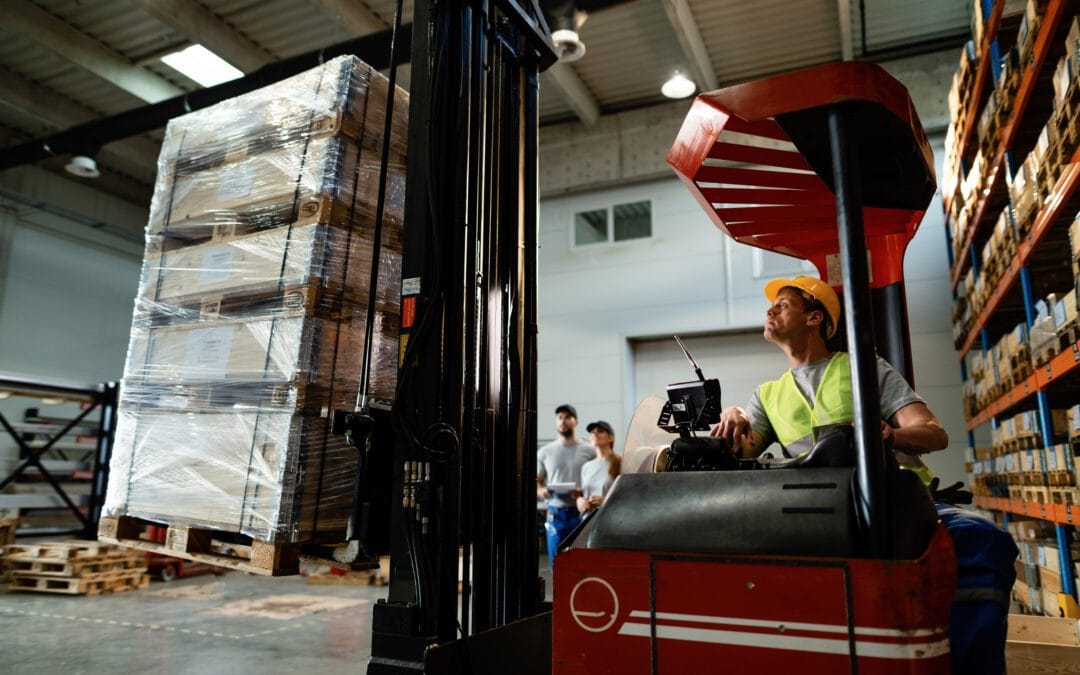
Forklift operators are often exposed to bumpy rides due to inadequate warehouse floors, uncomfortable seats and poor forklift maintenance. This can put a significant strain on their muscles and joints. Poor forklift ergonomics can lead to faster fatigue, reducing the operator's ability to work for long periods of time. Furthermore, prolonged exposure to these conditions can lead to musculoskeletal injuries such as back or knee pain that can affect an individual's ability to perform their job properly and safely. To reduce the risk of injury due to uneven floors or uncomfortable seating, employers should invest in solutions such as anti-vibration mats or ergonomic chairs. In addition, regular forklift maintenance is necessary to ensure proper handling and reduce wear and tear on the vehicle itself. All these measures will help create a better working environment for all staff members who use heavy machinery.
What is forklift ergonomics?
Ergonomics is the science of designing workplaces and products to ensure they are safe, efficient and comfortable to use. In the context of forklifts, ergonomics implies understanding how operators interact with their equipment to ensure maximum comfort and efficiency while minimizing fatigue and risk of injury. Therefore, this means that forklifts should be designed according to the way operators work, rather than forcing forklift operators to adapt to the design of the equipment.
Good ergonomic design can reduce muscle strain, improve posture and provide better visibility for operators. It should also use adjustable components such as seat height and joystick position, so workers can adjust their workspace to best suit their needs. In addition, forklift ergonomics should include features that make it easier for operators to enter/exit the vehicle safely, such as platforms or handrails. Finally, efficient ergonomic design should minimize vibrations from rough terrain so that drivers can remain comfortable during long shifts or in challenging working conditions.
Modern ergonomic solutions are necessary to maintain the well-being of employees at the workplace. Companies that invest in ergonomics understand that the physical comfort of employees is directly related to improved productivity and mental well-being. Studies have shown that employees who feel a greater level of comfort at work are more likely to be more productive and perform better than those who are uncomfortable or stressed by their work environment.
Workplace safety comes first
Forklift ergonomics is an important aspect of workplace safety and efficiency. It involves designing the work environment to suit the size and abilities of the worker, ensuring proper posture and reducing fatigue. A well-designed forklift can help workers perform their tasks more safely and efficiently.
Not only can ergonomic design prevent physical injury, it can also improve productivity and reduce costly downtime. The development of ergonomic design has made it ever easier to use forklifts safely, efficiently and comfortably. However, with the ever-increasing range of tasks a forklift must perform, many employers and forklift operators may overlook the potential for improved safety, productivity and comfort when selecting equipment.
Easier handling of the forklift
Forklift ergonomics is an important issue for any industrial forklift operator. Poor ergonomics, such as improper seat positions or lack of adjustable seat heights, can lead to musculoskeletal disorders over time. In addition, improper forklift design can create awkward positions and repetitive motions, which can cause fatigue and ultimately reduce productivity. Operators need to be aware of their posture while driving, as well as how they interact with the controls to ensure the best comfort and safety when using the forklift.
Other elements of forklift ergonomics include control access and display positioning. For example, if the buttons are too far from the operator's reach, they will need to extend their arms which can unnecessarily strain the muscles and lead to potential muscle disorders over time. Finally, operators need it clear visibility of your surroundings so they can safely maneuver through busy areas without having to bend awkwardly to see where they are going.
After all, good forklift ergonomics are critical to the long-term health and comfort of operators who use industrial forklifts every day. By recognizing the importance of proper positioning within the cab, as well as ensuring easy access and understanding of controls, employers can reduce the pain caused by poor posture while improving productivity through more efficient working time.
A combination of ergonomics and modern technology
Manufacturers have advanced ergonomics by installing improved cushioning systems on forklifts. This helps to reduce the impact of shock and vibration, resulting in less stress for the operator. Amortization technology has advanced significantly in recent years and now includes hydraulic damping systems. It is significant that the cushioning helps to maintain control over the vehicle more easily because it is easier to drive on uneven terrain.
One of the most common improvements are adjustable seat and steering wheel. This allows operators to adjust their control position to better suit body size and shape. Many seats come with adjustable backrests, armrests, lumbar support and cushions for increased comfort during long work shifts. Adjustable steering wheels provide further customization as some operators may be more comfortable with more or less reach than typically offered on standard models.
Another improvement in forklift ergonomics is use of automated systems which reduce the physical effort of the operator. Automated loading systems offer an easy way to move heavy objects without the need for manual lifting, reducing strain on the back and arms while reducing fatigue during working hours. In addition, advances in electric powertrain technology have increased efficiency while providing easier acceleration and deceleration. This can help reduce jitter from rapid starts or stops that could cause operators discomfort over time.
Finally, many manufacturers are taking steps to increase visibility in cabs by adding larger windows, mirrors for blind spots such as corners or near pillars in warehouses. It is also common for them to be placed sensors to detect nearby obstacles and other functions designed to improve safety, while at the same time facilitating the quick detection of potential danger. This solves the problem where the forklift driver would have to raise and, so to speak, awkwardly twist his neck. All of these achievements serve as a testament to how far ergonomic design has come since forklifts first appeared in manufacturing plants decades ago.
Improving the forklift itself
A wide range of intelligent and smart sensors and systems are being integrated into the new forklifts to ensure proper operation.
The new forklift ranges are designed with operator safety and comfort in mind. For this purpose, a wide range of intelligent and smart sensors and systems are implemented to ensure that operators are using the machines correctly. It includes innovative systems such as inclinometer which detects if the forks are tilted at an unsafe angle or a system that detects when the forks are raised too high. In addition, advanced user interfaces give users more intuitive control over their work environment, enabling greater productivity. These new and advanced equipment features lay a solid foundation for safer and more efficient management.
Improved performance
Forklift manufacturers are striving to create clearer and more interactive displays to create a customizable experience for equipment operators. Customizable controls and settings allow forklift users to customize the equipment to suit their individual needs, allowing for increased safety, comfort and productivity. By creating a personalized experience tailored to the operator's preferences, manufacturers have been able to reduce the burden on workers that can often lead to on-the-job injuries.
Interactive screens also provide real-time feedback on machine performance, such as engine speed or fork position. This allows operators to quickly make adjustments during operation to optimize performance and minimize energy consumption. The visibility provided by these displays allows workers to instantly access important data without having to take their eyes off the work at hand. In addition, newer display options offer touch control interfaces that allow easy navigation through the menu system with minimal distraction from operational tasks.
Overall, with increasingly clear and interactive displays available today, forklift manufacturers are able to provide an improved user experience while increasing operational efficiency and safety standards in industries around the world.
Improved visibility
Visibility plays a key role in the productivity and efficiency of a forklift operator. Our range of forklifts it comes with panoramic mirrors, a wide view of the mast that maximizes the forward view of the operator's field offering them safety and comfort. This improved feature helps reduce the risk of operator fatigue and accidents caused otherwise by obstructed vision.
Forward visibility should be maximized so that the forklift operator can safely see any potential hazards or obstacles, such as other workers, boxes and pallets, passing vehicles, etc.
Finally, proper training in relation to safe work procedures is key to preventing dangerous incidents involving forklifts in any work environment. Safety training should include familiarization with the various controls, as well as advice on how to position yourself properly when driving or maneuvering the machine in confined spaces without injury or property damage. With proper training, forklift operators can be sure they are working within their physical capabilities at all times while using the forklift safely and efficiently for its intended purpose.
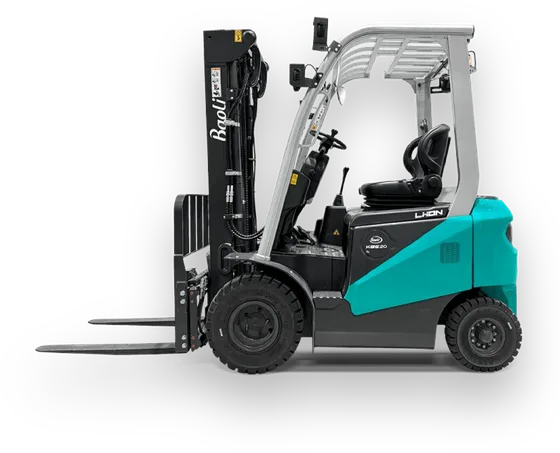
New Baoli forklifts on offer
Look at the models we offer and choose the performance for your business.